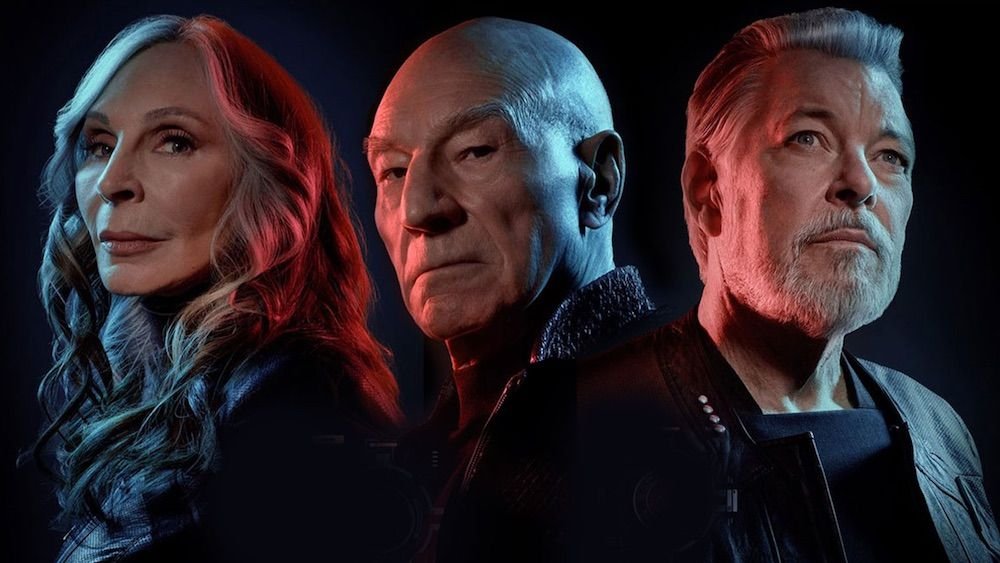
The universe is vast, full of wonders, and sometimes, a little overwhelming – especially when you're trying to chart a course through The Complete Star Trek Streaming Universe: Beyond TNG. You’ve seen Captain Picard’s Enterprise soar, perhaps even explored the original five-year mission. But what lies beyond that familiar final frontier? A galaxy of new series, daring narratives, and beloved characters awaits, stretching from the gritty corners of Deep Space Nine to the vibrant, strange new worlds of today.
This isn't just a list; it's your navigational chart, helping you beam into the vast and thrilling Star Trek sagas that have captivated audiences since The Next Generation concluded its epic run. We’re here to help you understand the landscape, pick your next adventure, and make sense of where all the starships and their crews have landed on your screens.
At a Glance: Charting Your Post-TNG Course
- Paramount+ is your primary hub: Most new and classic Star Trek series and movies now reside here.
- Beyond the 24th Century: Dive into three distinct "eras" of Trek that followed TNG: the late-90s/early-00s renaissance, the Kelvin Timeline movies, and the ongoing modern streaming boom.
- Something for Everyone: From dark, serialized dramas (DS9, Discovery) to optimistic, episodic adventures (Strange New Worlds) and hilarious animation (Lower Decks), the universe has expanded.
- No Single "Right" Order: While a chronological order exists, you can jump in almost anywhere, depending on your preferred style and mood.
- It's Still Trek: Despite stylistic shifts, the core themes of exploration, diplomacy, and the human condition remain at the heart of every iteration.
The Starry Expanse Post-TNG: A Galaxy of Choices
You've explored the utopia of the 24th century aboard the Enterprise-D, maybe even revisited the genesis of the Federation in the original series. But Star Trek didn't just stop there. It diversified, deepened, and dared to boldly go in entirely new directions. For decades, the franchise has been exploring what it means to be sentient, to build a future, and to confront the unknown, long past the final fade-out of "All Good Things..." You might be wondering, with so many new shows on the horizon and beloved classics to revisit, how do you even begin to approach it all?
Think of it as expanding your Federation membership: you’re gaining access to new starbases, new crews, and new perspectives on the universe. The key is understanding the different waves of content that have emerged since Captain Picard’s Enterprise-D was decommissioned.
Where Does Star Trek Live Now? The Streaming Quadrant
The answer to "where can I watch Star Trek?" has become delightfully simple, for the most part. While older shows once bounced between various platforms, nearly all Star Trek content, both classic and new, has found a permanent home on Paramount+. This is your central starbase for accessing the vast majority of the Star Trek canon, especially everything produced after 2017.
Some exceptions or historical notes:
- Before Paramount+: Some series briefly lived on Netflix (like Discovery internationally) or Amazon Prime Video. These arrangements have mostly transitioned to Paramount+ as the service launched and expanded globally.
- Licensing Anomalies: Very occasionally, a specific movie or a season of an older show might be available on another platform due to legacy licensing deals in certain regions. However, for a comprehensive, reliable experience, Paramount+ is your prime directive.
If you’re ready to dive into the core adventures, a Paramount+ subscription is essentially a prerequisite for navigating the modern Star Trek universe.
Navigating the Eras: Your Post-TNG Trek Timeline
To make sense of the vastness, let's break down the Star Trek universe beyond TNG into distinct, manageable eras. Each offers a unique flavor and approach to Roddenberry's vision.
The "Second Golden Age" (Late 1990s – Early 2000s): Diversifying the Dream
After Star Trek: The Next Generation concluded its seven-season run and its film series wrapped up, the franchise didn't just stop. Instead, it blossomed with three concurrent and distinct series that pushed the boundaries of what Star Trek could be, all while running alongside, or immediately after, TNG. These shows matured the universe, exploring grayer moral areas, long-term storytelling, and even the very origins of Starfleet.
Star Trek: Deep Space Nine (1993-1999) – The Station That Dared to Be Different
If you're looking for a Star Trek that grapples with complex morality, long-form storytelling, and the challenges of diplomacy in a volatile region, Deep Space Nine is your next port of call. Launched while TNG was still on air, DS9 broke away from the "wagon train to the stars" formula. Instead of an exploratory starship, the series centered on a former Cardassian space station, Terok Nor, now renamed Deep Space Nine, orbiting the newly liberated planet Bajor and guarding a wormhole to the Gamma Quadrant.
- Why it stands out: DS9 was the first Star Trek series to be primarily set on a space station, allowing for a permanent cast of recurring characters, development of local politics, and deep dives into the lives of a civilian population. It’s lauded for its serialized storytelling, particularly its exploration of the Dominion War, which pitted the Federation against a formidable alien empire.
- Key Themes: War, religion, political intrigue, occupation, rehabilitation, terrorism, and the darker side of Starfleet's ideals. It often challenged the optimistic vision of the future, showing characters making difficult, sometimes morally ambiguous, choices.
- Watch if you like: Complex characters, serialized arcs, political dramas, and seeing the Federation tested under immense pressure. Many critics and fans now consider it one of the best Star Trek series, if not the best.
Star Trek: Voyager (1995-2001) – Lost in the Delta Quadrant
Following in the footsteps of TNG's starship exploration but with a crucial twist, Star Trek: Voyager stranded its crew 70,000 light-years from home in the unexplored Delta Quadrant. Captain Kathryn Janeway and her crew, a mix of Starfleet officers and Maquis rebels, had to find a way back, facing new alien species, dwindling resources, and internal conflicts along the way.
- Why it stands out: Voyager presented a unique premise for Star Trek: isolation and limited resources. It explored the challenges of maintaining Starfleet ideals without Starfleet command, as well as the fascinating dynamic between former enemies forced to cooperate. The introduction of Seven of Nine, a former Borg drone, provided some of the series' most compelling character development and philosophical discussions.
- Key Themes: Isolation, adaptation, identity (especially for Seven of Nine and The Doctor), merging disparate cultures, and the ethical dilemmas of survival.
- Watch if you like: Episodic adventures with a strong underlying premise, character-driven stories, explorations of new alien cultures, and a look at Starfleet ideals under duress.
Star Trek: Enterprise (2001-2005) – Before the Federation
Star Trek: Enterprise took a bold step backward in time, setting its story a century before Captain Kirk's five-year mission, during the nascent days of warp travel and first contact. Led by Captain Jonathan Archer, the crew of Earth's first Warp 5 starship, the Enterprise NX-01, ventured out to explore the galaxy and pave the way for what would eventually become the United Federation of Planets.
- Why it stands out: Enterprise offers a unique perspective on the Star Trek universe, showing humanity at an earlier, less polished stage. It explored the challenges of first contact, the political landscape leading up to the Federation's formation, and the growing pains of a species just beginning to understand its place in a vast, alien-filled galaxy. Its later seasons, particularly the Xindi arc, are highly praised for their serialized storytelling and elevated stakes.
- Key Themes: First contact, xenophobia, the origins of Starfleet protocols, pre-Federation politics, and humanity's journey toward a unified interstellar presence.
- Watch if you like: Prequel stories, exploring the origins of a beloved universe, a grittier view of early space exploration, and a focus on humanity's struggle to overcome its prejudices.
The Kelvin Timeline Movies (2009-2016): A Parallel Universe Adventure
While not a streaming series, it’s important to acknowledge the impact of J.J. Abrams’ rebooted film series, often referred to as the "Kelvin Timeline" due to a pivotal event in the first film. These movies introduced a new cast portraying younger versions of the original series crew (Kirk, Spock, McCoy, etc.) in an alternate reality.
- Star Trek (2009), Star Trek Into Darkness (2013), Star Trek Beyond (2016): These films revitalized the franchise for a new generation with high-octane action, stunning visuals, and a fresh take on classic characters. While they exist in their own timeline, they are undeniably Star Trek and offer an exciting, fast-paced cinematic experience.
- Where to find them: These are generally available for rent or purchase on various digital platforms, and occasionally stream on services beyond Paramount+ depending on current licensing.
The Modern Renaissance (2017-Present): Star Trek Boldly Streams
The late 2010s ushered in a new era for Star Trek, driven by the rise of streaming services and a demand for more serialized, visually sophisticated storytelling. This era began with Discovery and has since expanded into a robust lineup of diverse shows, all primarily housed on Paramount+.
Star Trek: Discovery (2017-Present) – The Catalyst for a New Era
Star Trek: Discovery launched a new generation of Star Trek on streaming, set roughly a decade before the original series. It follows Michael Burnham, a human raised by Vulcans, as she navigates a tumultuous period for the Federation, often exploring the fringes of known space and scientific anomalies.
- Why it stands out: Discovery embraced a more serialized narrative from the outset, higher production values, and a contemporary cinematic aesthetic. It reintroduced the Klingons with a radical redesign, explored complex characters struggling with past traumas, and pushed the boundaries of Star Trek's visual storytelling.
- Key Themes: War, trauma, identity, the nature of command, the potential of mycelial networks, and a deep dive into empathy and understanding across species.
- Watch if you like: High-budget sci-fi, serialized mysteries, emotional character arcs, and a darker, more action-oriented take on the Star Trek universe.
Star Trek: Picard (2020-2023) – The Return of a Legend
For fans who grew up with TNG, Star Trek: Picard was a dream come true. The series brought back Sir Patrick Stewart as Jean-Luc Picard, now retired from Starfleet, grappling with past regrets and drawn into new, deeply personal missions that challenge his ideals and force him to confront the changing galaxy. It offers a direct continuation of the story explored in Star Trek: The Next Generation streaming.
- Why it stands out: Picard offers a nuanced look at a beloved character in his later years, exploring themes of aging, legacy, synthetic life, and the moral complexities of a post-Federation utopia. It also features numerous cameos from other TNG and even Voyager/DS9 characters, making it a nostalgic yet forward-looking experience.
- Key Themes: Legacy, redemption, artificial intelligence, the nature of consciousness, and the enduring power of friendship and family.
- Watch if you like: Deep character studies, TNG nostalgia, mature sci-fi dramas, and seeing your favorite characters evolve and face new challenges.
Star Trek: Lower Decks (2020-Present) – An Animated Love Letter to Trek
Prepare to laugh your way through the mundane (and sometimes chaotic) lives of the support crew on one of Starfleet’s least important ships, the USS Cerritos. Star Trek: Lower Decks is an animated comedy that gleefully embraces Star Trek lore, delivering sharp satire, heartfelt character moments, and countless Easter eggs for long-time fans.
- Why it stands out: It’s Star Trek through a comedic lens, focusing on the ensigns who clean the holodecks and get into ridiculous side-missions while the "important" bridge crew handles the main plot. Despite its humor, it’s deeply reverent to the franchise, telling genuinely Trek-like stories with a unique, hilarious voice.
- Key Themes: Starfleet bureaucracy, imposter syndrome, friendship, heroism from the sidelines, and a joyful celebration of all things Star Trek.
- Watch if you like: Adult animation, rapid-fire jokes, deep Star Trek lore references, and a fresh, funny perspective on the universe.
Star Trek: Prodigy (2021-Present) – Trek for a New Generation
Star Trek: Prodigy introduces Star Trek to a younger audience (though it’s enjoyable for all ages) through the eyes of a group of alien teenagers who escape a penal colony by commandeering an experimental Starfleet ship, the USS Protostar. With the help of a holographic Janeway, they learn about Starfleet ideals and navigate the vast, dangerous galaxy.
- Why it stands out: This CGI-animated series is vibrant, action-packed, and perfectly balances adventure with the core tenets of Star Trek. It’s an excellent entry point for new fans, teaching them about exploration, diplomacy, and teamwork, while still offering plenty for veteran Trekkies.
- Key Themes: Discovery, found family, learning from mistakes, the true meaning of Starfleet, and escaping oppression.
- Watch if you like: Family-friendly animation, compelling space adventures, origin stories of future Starfleet officers, and a hopeful, optimistic vision of the future.
Star Trek: Strange New Worlds (2022-Present) – A Return to Form
If you yearn for the episodic adventures, sense of wonder, and optimistic spirit of the original series, then Star Trek: Strange New Worlds is precisely what you've been waiting for. This series follows Captain Christopher Pike, Number One, and Spock aboard the USS Enterprise in the decade before Captain Kirk’s command, exploring uncharted planets and boldly going where no one has gone before, one adventure at a time.
- Why it stands out: Strange New Worlds embraces the classic episodic format, allowing each episode to tell a self-contained story while still building character arcs. It features incredible performances from its cast, stunning visuals, and a deliberate effort to return to the core optimistic tenets of Star Trek: exploration, diplomacy, and ethical dilemmas, all with a modern sensibility.
- Key Themes: Exploration, first contact, ethical decision-making, destiny vs. free will, and the joy of discovery.
- Watch if you like: Classic Star Trek episodic storytelling, high adventure, compelling characters, and a hopeful, optimistic vision of the future. It’s often considered the quintessential modern Star Trek series for fans of the original.
Future Trek on the Horizon
The Star Trek universe continues to expand, with new seasons of current shows and entirely new projects in various stages of development. Keep an eye out for:
- Section 31: A TV movie starring Michelle Yeoh's Philippa Georgiou from Discovery, exploring the shadowy intelligence agency.
- Starfleet Academy: A new series focusing on the next generation of Starfleet cadets.
- More Animated Adventures: The success of Lower Decks and Prodigy suggests a fertile ground for more animated Star Trek.
The streaming universe is vibrant and constantly evolving, ensuring there’s always a new frontier to explore.
Starting Your Post-TNG Journey: Where to Jump In?
With so many choices, it's natural to feel a bit lost. The good news? You don't have to watch everything in strict chronological order, especially if you've already seen TNG. Here are some pathways, depending on what you're looking for:
For the TNG Fan Who Wants a Direct Continuation:
- Start with Star Trek: Picard: It’s a direct sequel to TNG and its movies, bringing back beloved characters and addressing their futures.
- Then consider Deep Space Nine and Voyager: These ran concurrently or immediately after TNG and share a similar production era and overall sensibility, expanding the universe you know.
For Those Craving Modern, High-Stakes Drama:
- Begin with Star Trek: Discovery: It's a fantastic entry point into the modern era, with a cinematic feel, strong serialization, and compelling mysteries.
- Follow up with Star Trek: Picard: While linked to TNG, it shares a mature, serialized dramatic tone with Discovery.
For Fans of Classic, Episodic Star Trek:
- Jump straight into Star Trek: Strange New Worlds: It's designed to be approachable and delivers classic, standalone adventures with a modern polish.
- Consider Star Trek: Voyager: Its "lost in space" premise and episodic nature might appeal if you enjoy self-contained weekly adventures.
For a Lighter, More Humorous Trek:
- Dive into Star Trek: Lower Decks: It’s pure fun, packed with humor, and a fantastic celebration of the franchise. It assumes some prior knowledge of Trek tropes but isn't strictly necessary.
For Aspiring Starfleet Cadets (and the Young at Heart):
- Begin with Star Trek: Prodigy: It’s an accessible, visually stunning animated series that introduces Starfleet ideals through a new crew.
Chronological Order (In-Universe Timeline, for the Purists):
- Star Trek: Enterprise (Early 22nd Century)
- Star Trek: Discovery (Season 1 & 2 - Mid 23rd Century, then jumps to 32nd Century for later seasons)
- Star Trek: Strange New Worlds (Mid-Late 23rd Century, before Kirk's command)
- Star Trek: The Original Series (Mid-Late 23rd Century)
- Star Trek: The Next Generation (Mid 24th Century)
- Star Trek: Deep Space Nine (Mid 24th Century, overlapping with TNG & Voyager)
- Star Trek: Voyager (Late 24th Century, overlapping with DS9)
- Star Trek: Lower Decks (Late 24th Century, after TNG and some of DS9/Voyager)
- Star Trek: Prodigy (Late 24th Century, concurrent with Lower Decks)
- Star Trek: Picard (Early 25th Century)
- Star Trek: Discovery (Season 3 onwards - 32nd Century)
(Note: The Kelvin Timeline movies exist in a separate parallel universe and don't fit neatly into this prime timeline.)
Common Questions & Misconceptions About Streaming Trek
Navigating this expanded universe can spark a few common questions. Let's tackle them head-on.
"Do I need to watch TNG first to understand these new shows?"
Not necessarily! While Star Trek: Picard is a direct sequel and benefits immensely from TNG knowledge, most other shows are designed to be largely standalone.
- Discovery, Prodigy, Strange New Worlds, Enterprise, Voyager: These are all excellent entry points, either prequels, set far from TNG, or featuring entirely new crews/situations.
- Deep Space Nine: While it launched alongside TNG and shares some universe context, it quickly carves its own narrative path.
- Lower Decks: This show thrives on Star Trek references, so while not essential, having a broad knowledge of TNG, TOS, DS9, and Voyager will significantly enhance your enjoyment of its humor.
If you're utterly new to Trek, Strange New Worlds or Prodigy are fantastic, welcoming starting points for their episodic nature and clear moral compass.
"Is all new Star Trek on Paramount+?"
Yes, with extremely rare and often temporary regional exceptions. For the most complete and up-to-date access to all modern Star Trek series (Discovery, Picard, Lower Decks, Prodigy, Strange New Worlds) and nearly all the classic series, Paramount+ is the exclusive home in most major markets.
"What about the Star Trek movies?"
The movie landscape is a bit more varied.
- The Original Series and TNG films: Many of these are also available on Paramount+.
- The Kelvin Timeline (reboot) films (2009, 2013, 2016): These are often available for rent/purchase on digital platforms (Amazon Prime Video, Apple TV, Google Play, etc.) and their streaming availability can vary more widely by region and licensing deals. Paramount+ will typically have them available as part of their movie library, but check your local listings.
"Are the animated shows 'real' Star Trek?"
Absolutely! Both Star Trek: Lower Decks and Star Trek: Prodigy are fully canon within the Star Trek universe. They adhere to the core principles and lore of the franchise, even while exploring new tones and target audiences. Lower Decks specifically is known for its deep canonical connections and references, while Prodigy introduces younger viewers to the ideals of Starfleet. Don't let the animation style fool you; they are as "real" as any live-action series.
"Is Star Trek getting too dark or too serialized now?"
This is a common discussion among fans. Some of the newer shows, particularly Discovery and Picard, embraced more serialized storytelling and explored darker, more complex themes than the predominantly episodic, optimistic TNG era. However, the franchise has diversified:
- Strange New Worlds: Represents a deliberate return to episodic storytelling and the optimistic spirit of TOS.
- Lower Decks and Prodigy: Offer lighter, more adventurous, and often very optimistic takes.
So, while there are options for grittier, long-form narratives, there are also plenty of choices if you prefer classic episodic adventures and an emphasis on hope. The Star Trek universe is big enough for both.
Maximizing Your Trek Streaming Experience
Now that you understand the lay of the land, here are a few tips to enhance your journey through the Star Trek streaming universe:
1. Dive Into Fan Communities
Star Trek has one of the most passionate and welcoming fan bases in all of fiction. Whether on Reddit, dedicated forums, or social media, connecting with other fans can enrich your viewing experience. You'll find discussions, theories, memes, and even watch parties. Just be mindful of spoilers if you're watching a new series or catching up on an older one!
2. Don't Be Afraid to Experiment
You don't have to love every single Star Trek series, and that's perfectly okay. If a show isn't clicking after a few episodes, try a different one. The diversity of the "Beyond TNG" universe means there’s likely a Star Trek out there that perfectly suits your taste, whether it's the political intrigue of DS9, the humor of Lower Decks, or the pure adventure of Strange New Worlds.
3. Consider Companion Material
For some series, particularly the newer ones, official podcasts (like The Ready Room for Discovery, Picard, and Strange New Worlds) offer behind-the-scenes insights, cast interviews, and deep dives into episodes. These can add another layer of appreciation to your viewing.
4. Revisit the Classics
Sometimes, the best way to appreciate the new is to revisit the old. Going back to a beloved TNG episode or movie after watching Picard can highlight how characters have evolved and how the universe has changed, offering a richer, more connected narrative experience.
Your Next Mission: Charting Your Course
The Star Trek universe beyond TNG isn't just a continuation; it's an evolution. It's a testament to the enduring power of Gene Roddenberry's vision, constantly reinterpreted and expanded by new generations of storytellers. From the gritty reality of a war-torn space station to the joyous antics of a cartoon starship crew, and the return to classic adventure, there's a universe waiting to be discovered.
Whether you're looking for profound philosophical questions, thrilling action, or a good laugh, the streaming galaxy has a Star Trek series tailored for you. So, set your coordinates, engage your warp drive, and prepare to boldly go wherever your curiosity takes you. The next chapter of your Star Trek journey is just a click away.